How To Develop Soft Skills That Set You Apart In The Workplace
Have you ever noticed individuals who rapidly advance up the career ladder? Technical expertise alone does not lead to professional success. Improving soft skills is also the secret sauce that makes professionals stand out.
People with soft skills excel at teamwork and effective communication while mastering workplace challenges. Every industry needs these abilities because they are critical to professional development.
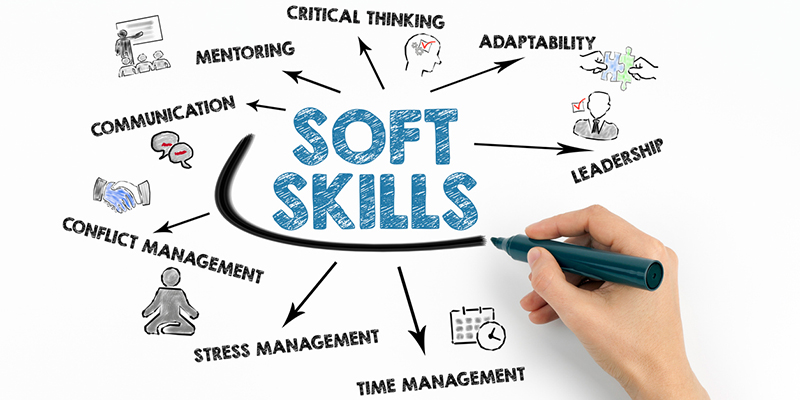
So, which methods should you use to enhance these fundamental abilities? The process is broken down into examples.
Why Soft Skills Matter More Than You Think
People generally think technical expertise, degrees, and certifications are the only requirements for career advancement. But in reality, employers prioritize top soft skills for career success just as much, if not more. Here’s why:
• Developing soft skills leads to stronger teamwork and better collaboration abilities.
• The development of your professional connections depends on them.
• Effective communication helps prevent confusion while reducing conflicts between people.
• Your leadership abilities, combined with your ability to adapt, create competitive advantages.
Success in your workplace demands that you develop essential soft skills, which cannot be ignored in today's fast-paced environment.
Best Ways To Develop Interpersonal Skills
Your interpersonal skills establish how you communicate with colleagues, clients, and managers. The good news is that developing and enhancing these competencies requires dedicated repetition.
• Active listening requires focusing on comprehension over waiting to talk.
• Empathize with others by stepping into their perspective to create genuine connections.
• Accepting feedback allows you to improve both your personal and professional growth.
Communication Skills Improvement Tips
Your career success relies on the development of strong communication skills. Clear communication is the foundation for any written or spoken interaction, including email writing, presentations, and business negotiations.
Deliver your message with clear yet straightforward language to reach your point directly.
Use assertive body language through proper eye contact, gestures, and appropriate posture for better communication.
Effective listening demands full attention toward others and active acknowledgement of their communication.
Your communication skills determine your confidence level while enhancing your ability to influence others.
Building Leadership Skills
The practice of leading people extends beyond managing their daily activities. The skill of an effective leader combines action with inspiration while solving problems with determination. You can benefit from acquiring these skills regardless of your current leadership status.
• Lead challenging situations by taking responsibility to offer workable solutions.
• Master practical decision-making approaches to select options and make knowledgeable decisions.
• Staying composed in stressful situations helps you maintain inner peace in difficult circumstances.
• Collaborative environments exist when people unite to attain shared objectives.
Adaptability
The rapid transformations of today's workplace require workers to remain relevant through adaptability. Leaders who adapt to emerging challenges and innovative trends will position themselves above others.
Instead of fighting against changes, you should welcome new obstacles openly while embracing different challenges.
Expand your knowledge base by engaging in industry workshops and online courses and monitoring industrial news.
Train yourself to develop a positive attitude toward failure while valuing these moments for their educational value.
Continuous curiosity emerges from questions and proactive exploration of novel experiences.
Staff who demonstrate quick adaptability and maintain high work productivity across all situations earn favour from employers.
Time Management
Efficient time management has significant positive effects on one's professional path. Effective time planning produces successful outcomes, but poor time management creates high Stress and deadline problems.
• Identify essential responsibilities that require urgent action and those that can wait until later.
• Establish practical deadline targets that stop confusing rushes and prepare in advance.
• Trello or Asana serve as productivity tools that help you organize your work.
You will reach better outcomes by concentrating on one activity at a time rather than juggling multiple tasks simultaneously.

Effective time management abilities protect you from exhaustion when you remain productive and ahead of deadlines.
Emotional Intelligence
Professionals who understand their emotions and those of others achieve better career success. Your communication ability will improve through better emotional intelligence development, not resulting in stronger team relationships.
• Notice your emotional state while understanding how it influences your work tasks.
• Develop self-regulation to control Stress and maintain composure when under pressure.
• The ability to understand different points of view leads to better social communication skills.
• You should improve relationship management skills by establishing trust while efficiently settling disputes.
The ability to process emotions to emotional intelligence creates effortless agreements within teams while enhancing work relationships.
Turning Soft Skills Into Career Success
Now that you know the best ways to develop interpersonal skills, it’s time to implement them.
Developing your interpersonal abilities requires continuous dedication. Small changes eventually lead to noticeable results, and each new social encounter is a training session for personal development and mastery.
Focus on developing skills that need improvement through active dedication
Seek professional advice by asking for feedback from both colleagues and mentors.
Challenge yourself to enter unfamiliar situations that will help you grow and develop.
Regular practice with skill refinement will eventually turn your abilities into automatic responses.
Your soft skills determine your work style, communication ability, and leadership potential. Strong, soft skills create brighter future career possibilities.
Your commitment to developing your soft skills today will ensure future career success and reveal new professional opportunities. Begin today to witness how your career development propels you toward greater heights.